THE CODEX JOURNAL
Family Rituals That Create Belonging Without Demanding Sameness
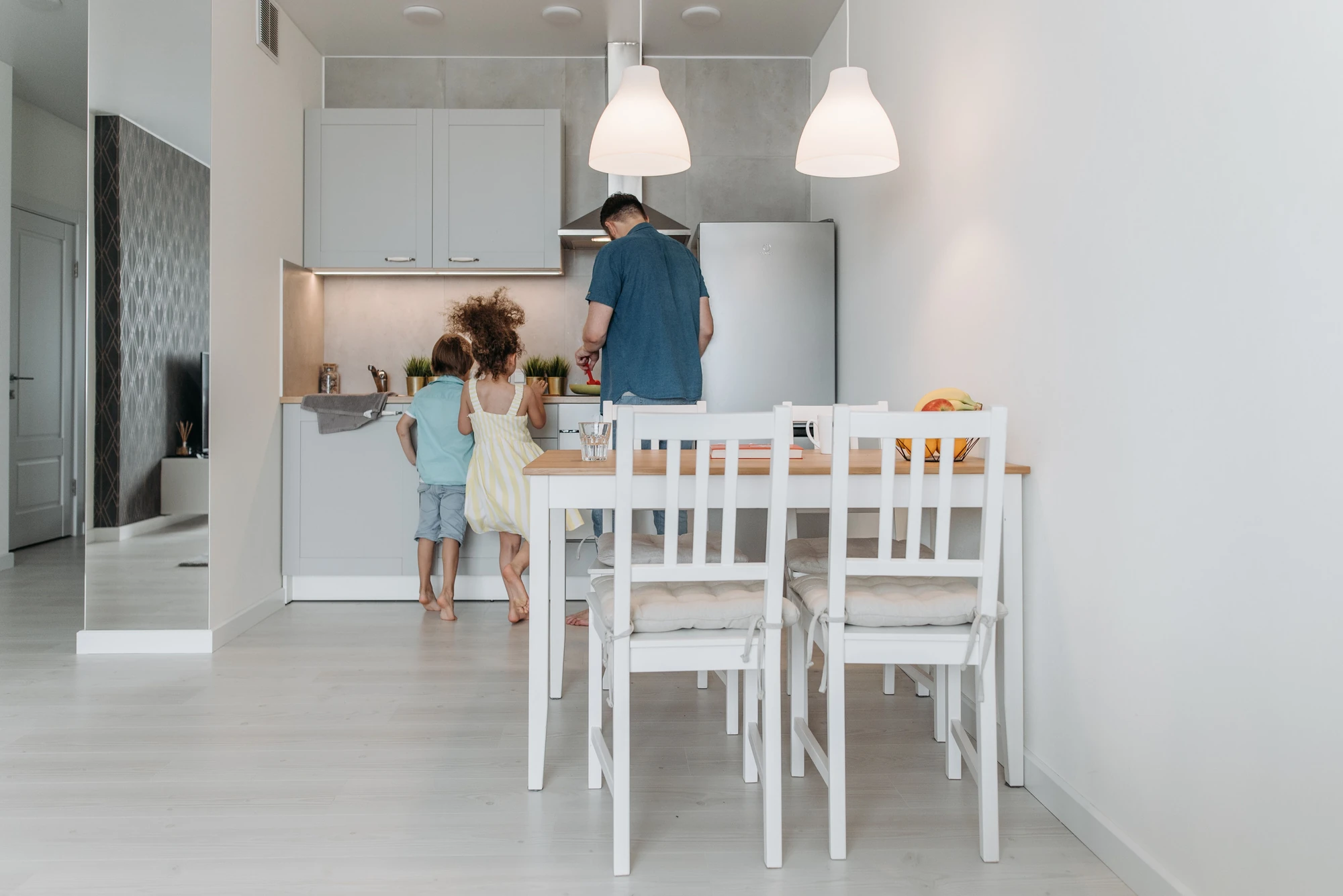
Illustrative stock photograph · Photo: Pavel Danilyuk / Pexels. People pictured are not the cases described and do not endorse the books. Photo licence.
Reading tools & contents
The tradition survives, but its purpose is no longer clear
The meal happens every week, the photograph is taken every year and the same gathering is defended as essential to family unity. Yet participants may experience the ritual differently: one feels connected, another overworked and another obliged to perform happiness. A tradition can remain intact while the relationship it was meant to support receives little attention.
This does not make rituals superficial. Repeated shared activities can provide a practical place for contact, memory and care. The question is what the activity now makes possible. Does it give people a reliable way to be known, or has attendance become the test of loyalty while the quality of the encounter is no longer examined?
Start with the function rather than the inherited format
A family may want connection, continuity, a way to mark change or time without competing demands. Several formats could serve that purpose. If the format becomes untouchable, the family may protect the old method even when changing circumstances make it less useful. Ask what the ritual was originally trying to provide and whether it still does so.
Consider a hypothetical family whose Sunday gathering requires one parent to cook and clean for everyone. The event creates contact, but also resentment. The choice need not be preserve everything or abandon family time. Shared preparation, a simpler meal or a different location may protect the purpose while redistributing the work that has been hidden inside the tradition.
Make the labour part of the agreement
Rituals often appear effortless because someone performs the preparation repeatedly. Invitations, transport, shopping, care for younger children and the clearing up afterward are part of the event, not an unrelated burden. If one person’s contribution is treated as automatic, the family can enjoy the visible ritual while overlooking the condition that sustains it.
Discuss ownership before the next occasion. Who provides what? What happens when someone lacks capacity? Which part can be simplified? Gratitude matters, but it should not become a substitute for a workable distribution of effort. A tradition built on predictable exhaustion may eventually lose the very person whose work made it possible.
Leave room for different ways of participating
A teenager may value family connection while wanting more privacy. An adult child may live far away. A relative with health or sensory needs may require a different setting. Equal commitment does not always produce identical attendance or behaviour. A ritual becomes more adaptable when its meaning is not tied to one narrow performance.
Ask which elements are genuinely central and which are preferences. Perhaps a brief call matters more than insisting on a long video gathering. Perhaps a person can join part of an occasion. Flexibility should account for real shared responsibilities, but it can also protect connection from becoming an all-or-nothing demand that people eventually avoid altogether.
Protect ordinary attention from the need to make a perfect memory
An occasion can become so focused on its appearance that the people inside it have little room to be themselves. The meal must look right, the children must seem cheerful and every disagreement must disappear before the camera appears. The result may preserve an image of belonging while making the actual experience more restrictive.
Choose some moments that do not need to be displayed. Put away the phone for part of the encounter and ask a question whose answer you do not already know. The value may be modest: discovering what a child currently enjoys or hearing a relative’s changing concern. Being known often depends on ordinary repeated attention rather than an event impressive enough to document.
Do not require children to perform adult emotional reassurance
Children can help celebrate and contribute in ways suited to their age. They should not have to produce affection, public gratitude or a particular emotional reaction to protect an adult from disappointment. A child’s reluctance to be photographed or hugged should be considered with respect rather than treated automatically as a rejection of the family.
Adults can explain why an occasion matters without assigning the child responsibility for its emotional success. Offer appropriate choices and clear expectations. The purpose is to invite participation in a shared life, not to make the child prove that the adult’s effort, identity or version of family has been validated.
Allow a ritual to change after loss or separation
A death, divorce, relocation or new partnership can alter the meaning of an old tradition. Repeating the format may provide continuity for some people and intensify pain for others. Do not assume the family must preserve everything immediately or erase the past to move forward. Discuss what remains meaningful and what needs a different form.
A revised ritual can acknowledge the change explicitly. A shorter gathering, a separate moment of remembrance or a new shared activity may be appropriate. The decision should not be a competition over who is grieving correctly. It should create a workable way to remain connected while recognising that the family’s circumstances are no longer identical.
Review the experience rather than only the attendance
After an occasion, ask what people actually valued, what felt burdensome and whether the arrangement invited contact. Avoid turning the review into a demand that everyone enjoyed it. Honest feedback helps the family distinguish a treasured practice from a rule maintained mainly because nobody has permission to propose an alternative.
Begin with one adjustment rather than redesigning every tradition at once. Reduce an unnecessary demand, share preparation or create a period in which conversation is not organised around advice. A small change can reveal whether the ritual’s purpose is still available when its familiar format is allowed to evolve.
HYPOTHETICAL CASE
Keeping the Sunday meal while changing its hidden workload
A family values a weekly meal because it is the main time several generations meet. The person preparing it spends most of Saturday shopping and most of Sunday working. Their request to simplify is initially heard as a wish to see the family less. The purpose and the format have become so closely joined that changing one appears to reject the other.
They identify the purpose as unhurried contact. The next two meals use a simpler menu and shared preparation, with one adult responsible for clearing up. A teenager joins for a shorter period because of an existing commitment. The family keeps a clear time together without requiring an identical contribution or expression of enthusiasm from every person.
Afterward, they review whether there was more actual conversation and less resentment. The case illustrates a practical distinction: a tradition can remain recognisable while its labour and participation change. Its value is tested through the contact it supports, not only through whether the old sequence was reproduced without complaint.
Questions for review
- What purpose does the ritual serve in the current family?
- Who performs the preparation that others may not see?
- Which element could change without losing the purpose?
- How will you hear feedback without requiring gratitude as the answer?
Build a tradition that can contain real people
Choose a recurring family occasion and write its purpose in one sentence. Then list what currently serves that purpose and what mainly protects appearances. Agree one practical revision with the people who carry the work. Keep the change specific enough to review after the next occasion.
A useful family ritual offers a dependable place to belong without requiring everyone to become the same person at the same stage of life. Its strength lies in what it makes possible between people. When the format remains open to care, honest feedback and changing needs, continuity becomes something lived rather than something performed for the sake of the tradition itself.
Follow the question further
Explore the next part in Family Peace That Depends on One Person Staying Silent. From the existing journal, The Family Code: Why Some Families Create Strength and Others Create Chaos develops a connected perspective.
Browse the full subject: Family, Boundaries & Belonging.