THE CODEX JOURNAL
The Invisible Audience Inside a Private Life
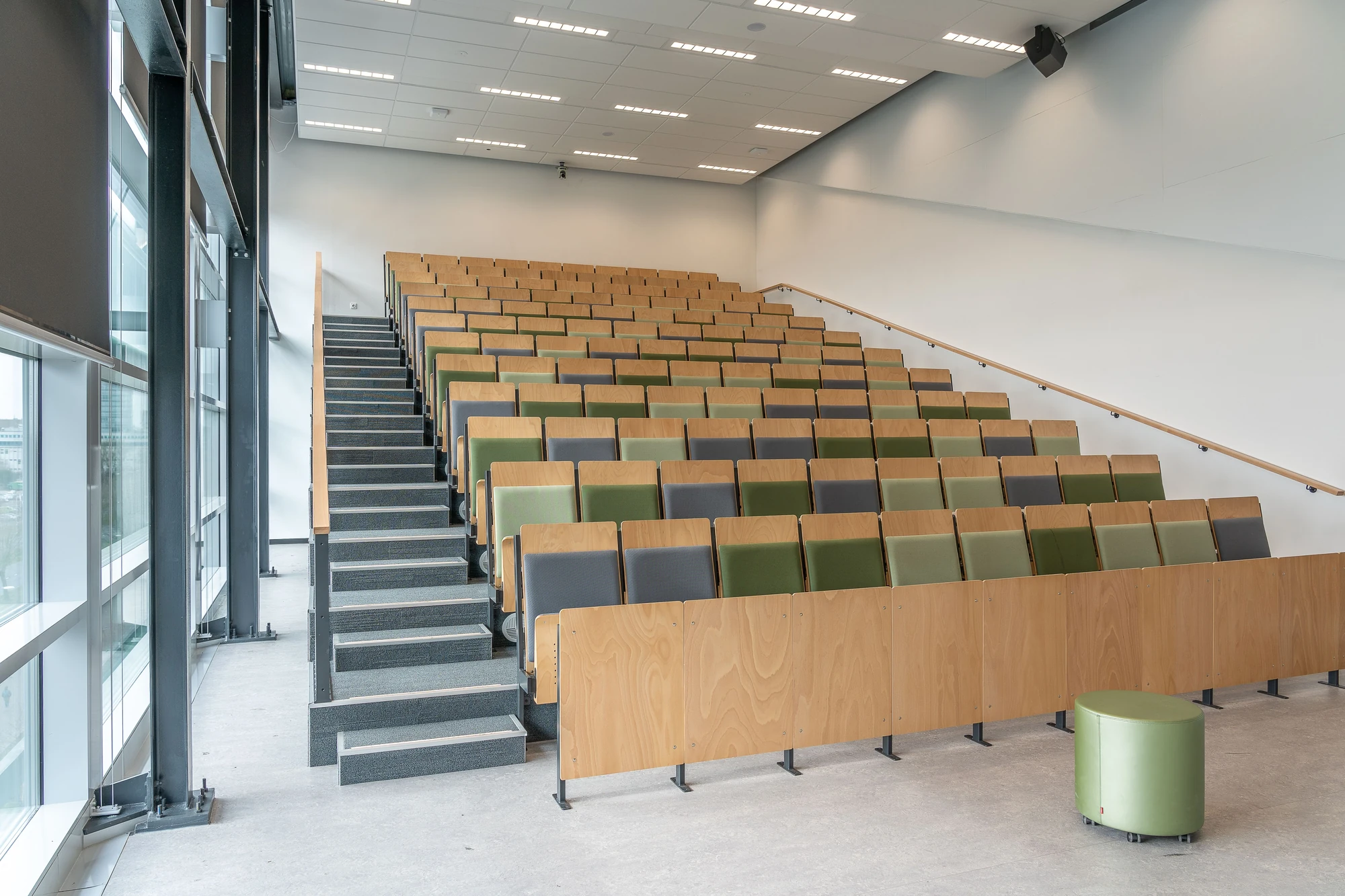
Illustrative stock photograph · Photo: Mike van Schoonderwalt / Pexels. People pictured are not the cases described and do not endorse the books. Photo licence.
Reading tools & contents
Some choices are staged for people who are not present
A person spends a free afternoon in a way they would find difficult to explain as impressive. They immediately feel that the time needs defending. Nobody has asked for an account, yet an imagined audience is already evaluating the choice. The afternoon becomes less about the experience than about how it would sound if included in a description of a successful life.
Social judgement can provide useful information. A shared world requires attention to consequences and other people's perspectives. The problem arises when an imagined observer has unlimited standing over decisions whose actual effects are modest, private and compatible with the person's responsibilities. Performance continues even when there is no identifiable person to persuade.
Name the audience instead of calling it everyone
Whose opinion appears in the imagined conversation? It may be a former peer group, a professional culture, a relative or a vague composite assembled from many encounters. Naming the audience often reveals that the standard is narrower than the word everyone suggests. A particular group has been granted the authority of society as a whole.
Ask whether these people actually know the relevant circumstances and whether their judgement deserves weight in this decision. The answer can vary. A colleague's view may matter to a shared project and not to how you spend a quiet evening. Standing should be connected to the consequence, not assumed because the person's approval once felt important.
Separate actual accountability from anticipated embarrassment
You may owe someone information, effort or a kept promise. That responsibility has a concrete basis. Anticipated embarrassment is different: the fear that a choice will make you appear ordinary, uncertain or unsuccessful. Both can influence behaviour, but only one necessarily establishes an obligation to change it.
Describe what would actually go wrong if the private choice became known. Would somebody bear an unfair consequence, or would an image become less polished? An uncomfortable answer is not permission to disregard others. It is a way to keep real responsibilities from being mixed with an unlimited duty to maintain an impressive appearance in every part of life.
Examine the editing that happens before experience begins
The imagined audience can shape an event before it is lived. A person chooses the restaurant, trip or project partly for its future description, then pays less attention to whether the experience fits their own interests. The decision has already been edited into a story while the person who will inhabit it remains underconsulted.
Try comparing options without their public summary. Which setting would you enjoy if it never appeared in a photograph or introduction? Which work would remain worth doing without the title? You do not need a perfectly private motive. The comparison simply allows the lived experience to contribute evidence before its presentational value decides everything.
Notice when explanation becomes a condition for permission
A person may feel unable to choose something until they can produce a persuasive reason for it. Some decisions do warrant detailed explanation, especially when others bear their costs. Ordinary preferences do not always need the same standard of defence. Requiring a polished argument for every pleasure can make the most easily advertised choice seem more legitimate than the genuinely wanted one.
Practise a proportionate explanation. A shared commitment deserves discussion; a harmless personal preference may need only a clear statement. The aim is not secrecy or deliberate provocation. It is to stop treating the absence of an impressive justification as evidence that an ordinary choice has no right to exist.
Do not replace the audience with a performance of independence
A declaration that you no longer care what anybody thinks can become another attempt to look impressive. Choices are then made to demonstrate rebellion rather than to serve the person living them. The imagined observer remains central, now supplying the standard you must visibly oppose instead of the one you must satisfy.
A more independent choice may look conventional. You might keep the job, enjoy the familiar activity or wear the ordinary clothes. Its significance lies in the reason and consequence, not the dramatic contrast with other people's preferences. Freedom from constant presentation does not require making a public identity out of refusing to present yourself.
Build a private measure that can still tolerate correction
Personal preference is not automatically wise, and outside feedback can reveal something you missed. Define a measure that includes both your experience and relevant consequences: was the commitment kept, was the activity meaningful, were resources used responsibly and did the choice fit the life you wanted to support?
This gives criticism something concrete to address. You can reconsider a consequence without accepting an entire social ranking. You can also reject a status judgement without declaring that every observer is ignorant. A bounded measure helps preserve openness to useful information while preventing every opinion from becoming a referendum on the legitimacy of your private life.
Protect one experience from immediate conversion into a story
Choose an activity and allow it to happen before deciding what it says about you. You do not need to document the experiment or prove that it transformed your relationship with approval. Simply notice what becomes available when attention is directed towards the experience rather than its later reception.
There may be disappointment: the supposedly meaningful activity may not suit you, or the ordinary choice may remain enjoyable. Both are information. A private experience does not need to become profound to justify its existence. Its freedom lies partly in being allowed to be specific and limited, rather than carrying a continuous obligation to certify the person you are becoming.
HYPOTHETICAL CASE
An ordinary weekend needs an impressive explanation
A professional plans a quiet weekend after a busy month. When colleagues discuss their ambitious activities, the person begins searching for a more impressive plan, although nobody has criticised the original one. They imagine being asked what they did and feel that reading, cooking and seeing a friend would make their life appear small.
They identify the actual responsibilities of the weekend and find no neglected commitment. The concern is a predicted status judgement from a particular group. They keep the original plan and resist turning it into an elaborate explanation about intentional living. If asked, they describe what happened without apologising or presenting the choice as a superior philosophy.
The weekend is enjoyable but unremarkable. That is part of the case's point. The person has not discovered a universally better way to spend time. They have allowed an ordinary experience to be evaluated by its lived value and actual consequences, instead of redesigning it in advance for an audience that had not requested a performance.
Questions for review
- Who is the imagined audience in this decision?
- What actual responsibility exists beyond presentation?
- Would you choose the experience without its public summary?
- Can the choice remain ordinary without an impressive defence?
Let the real consequence have more authority than the imagined review
Before the next small decision, identify who is actually affected and what you genuinely owe them. Then identify the separate judgement you fear. Consider both, but do not allow them to merge unnoticed. The difference can reveal how much of the decision is organised around a response that may never occur.
A life can remain socially responsible without being permanently staged. Other people matter, but an invisible audience does not need unlimited access to every afternoon, preference and unfinished thought. The aim is a clearer relationship between choice and consequence, so that private life can be lived before it is asked to become a convincing account of success.
Follow the question further
Explore the next part in When the Years Already Spent Cannot Decide the Next Decade. From the existing journal, When Understanding Becomes a Way to Avoid Choosing develops a connected perspective.
Browse the full subject: Psychology & Personal Authority.