THE CODEX JOURNAL
The Unfilled Afternoon a Parent Does Not Have to Justify
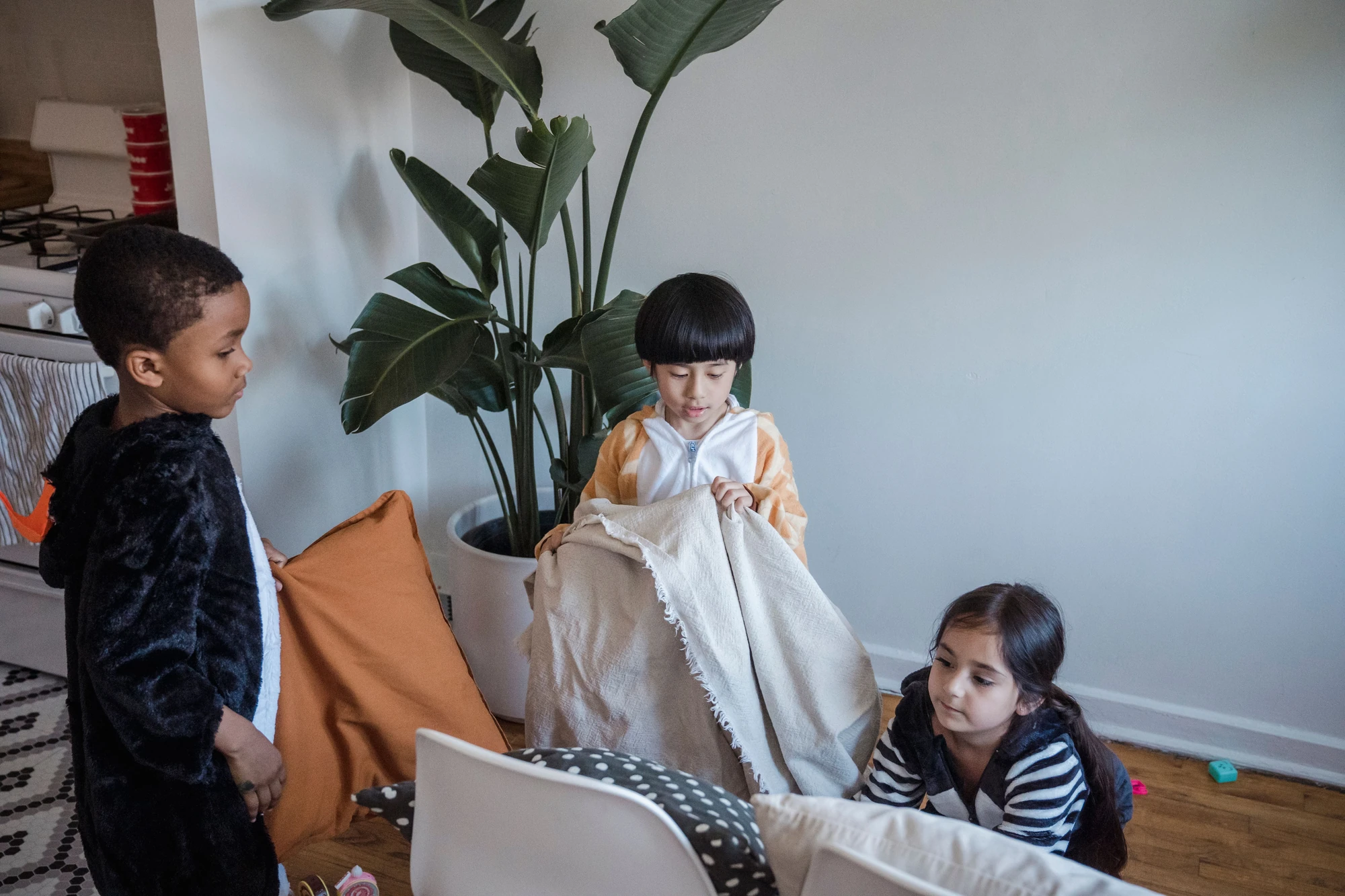
Illustrative stock photograph · Photo: Liliana Drew / Pexels. People pictured are not the cases described and do not endorse the books. Photo licence.
Reading tools & contents
An empty afternoon can feel like an accusation
Nothing urgent needs doing. There is no planned outing, lesson or family project. A child moves between a few ordinary activities, then says there is nothing to do. The parent immediately starts proposing options. Before long, the afternoon has become a sequence of attempts to produce engagement. Its emptiness seems to demand an answer, and the adult feels responsible for supplying one.
The difficulty is not simply whether the child can manage time independently. It is what an unfilled period means to the parent. A quiet afternoon can feel like inadequate care, wasted opportunity or evidence that they are not contributing enough. Organising an activity relieves that discomfort. The child receives something to do, while the adult receives renewed proof of usefulness.
There is nothing wrong with planning enjoyable experiences. Shared projects and ordinary companionship can matter deeply. The question is whether planning remains a choice or becomes the adult's compulsory response to every gap. A child can have an unremarkable afternoon without that afternoon testifying against the parent. Recognising this possibility creates room to ask what the child actually needs, rather than treating every unfilled hour as a vacancy in parental performance.
Distinguish availability from continuous direction
A parent can be present without deciding what happens next. They may be nearby, willing to answer a question or open to a short conversation while the child moves through an ordinary period. This is different from abandoning responsibility. The family still has a frame: appropriate boundaries, necessary care and an adult whose availability is understandable.
Continuous direction adds another task. The parent proposes the activity, sustains its momentum, evaluates whether it is worthwhile and moves the child to the next thing when interest changes. Sometimes that involvement is welcome and appropriate. It becomes worth examining when the adult cannot tolerate a period that does not require their initiative, even when the child is not asking for sustained engagement.
The distinction can be made practically. A parent might say that they are finishing something and will be available afterwards, while clarifying any immediate needs. They do not have to invent a lesson or turn the waiting period into a developmental project. The child's experience may remain uneven or mildly dissatisfied. That alone does not make the frame inadequate. Care can include dependable presence without a continuous stream of directed content.
Nothing to do is a statement with several possible meanings
A child saying there is nothing to do may be asking for company, expressing frustration, declining available options or simply describing how the moment feels. These possibilities call for different responses. Treating the phrase as a universal request for entertainment can lead the parent to produce activities when what the child wanted was a little contact, or to organise contact when the child mainly wanted to complain.
A brief question can clarify the request without turning it into an interrogation. Does the child want help finding something, time together or simply to say that the afternoon feels dull? The child may not know immediately. The adult can acknowledge that uncertainty rather than treating it as a problem requiring an instant solution.
There are occasions when a parent needs to intervene because a practical need has been missed or an arrangement is not working. The point is not to celebrate all boredom or refuse all suggestions. It is to preserve discrimination. A statement of dissatisfaction does not always assign responsibility for removing it. The parent can listen, offer something limited and leave space for the child to decide whether the offer is useful, instead of becoming accountable for producing a satisfying mood on demand.
Notice when helpfulness becomes a claim on the activity
A parent proposes making something together. The child begins, then changes the idea or loses interest. The adult feels unappreciated because they have invested effort in arranging it. They insist on finishing, improve the result or keep steering the activity back towards the original plan. What began as support becomes a claim that the child use the afternoon in a way that validates the adult's contribution.
Some activities involve commitments that reasonably need to be completed or cleared away. The distinction is whether the required follow-through serves those practical responsibilities or protects the parent's wish to have created a successful experience. A child can be asked to help clean up without being required to display sustained enthusiasm. Appreciation and participation are not interchangeable obligations.
The parent can also choose to pursue the activity for their own enjoyment rather than making the child's interest responsible for its value. They might continue drawing while the child moves elsewhere, if the circumstances permit it. This allows shared activity without making it a performance of closeness. Help becomes less possessive when its recipient is allowed some influence over what happens after accepting the initial invitation.
An ordinary day does not need a public defence
The pressure to fill time can intensify when the parent imagines describing the day to other adults. An outing, a class or a finished project provides an answer to what they did. An afternoon of drifting, talking briefly and making no notable object is harder to present. The parent may begin planning partly to avoid having an unimpressive account.
This does not mean that every planned activity is driven by comparison. Practical opportunities, genuine enthusiasm and shared interests can all supply good reasons. The useful question is whether the activity would still be chosen if nobody later asked about the afternoon. That question separates the experience from its value as evidence of attentive parenting.
A family can have meaningful time that produces little narrative. Not every hour needs to be converted into a memory worth reporting. The adult may need to tolerate an account as plain as we stayed home. Such restraint does not prove superior parenting, either; turning unstructured time into another badge would recreate the same performance in a different style. The aim is freedom from having to justify the afternoon through either visible productivity or a carefully curated image of simplicity.
Provide a frame without disguising it as a programme
Unstructured time is not time without any conditions. Meals still happen, spaces may need to remain usable and some activities require permission or help. A parent can define that frame clearly. The absence of a planned programme does not require children to infer every household expectation, nor does it require the adult to accept disruption without response.
The frame should be proportionate to its purpose. A few clear limits can leave many possible activities open. An elaborate list of approved choices, required durations and desired outcomes may simply recreate a programme under the label of free time. If every activity needs adult endorsement, the child remains dependent on direction even when the schedule appears empty.
Resources also vary. Not every home offers abundant space, materials or available adult time. It would be careless to romanticise an empty afternoon without recognising its actual conditions. The relevant question is what room exists within this family's circumstances. A modest arrangement can still be honest: here is what is available, here is what needs care, and here is when we will next do something together. The adult provides enough structure to make the period workable without making every moment answer to a designed purpose.
Allow dissatisfaction without making it the afternoon’s verdict
An unfilled period may include complaints, abandoned attempts or an ordinary sense of restlessness. These experiences do not automatically establish that the choice was wrong. Planned afternoons also contain dissatisfaction. The difference is that a visible plan can reassure the adult that they tried, while an open period leaves them more exposed to the feeling that they should have done something.
The parent does not need to insist that the child appreciate the freedom. That demand would turn a quiet afternoon into another assignment. Nor should every complaint be dismissed as a lesson the child needs to learn. The adult can remain curious about what is happening while refusing to become the sole producer of satisfaction. Sometimes the most accurate response is simply that the afternoon has been dull so far.
This stance permits changes without making them rescues. The family might decide to go outside, prepare food or spend time together because they want to, rather than because the empty hours have become intolerable evidence of failure. The distinction is subtle but important. A new activity can be a choice within the afternoon, not a compulsory correction of an afternoon that has not yet justified itself.
Ask what being needed has come to provide for the adult
The parent may discover that continual usefulness supplies more than a practical role. It can provide reassurance about closeness, identity or value. When the child does not need direction, the adult feels briefly displaced. Proposing another activity restores their place. This interpretation will not fit every family, but it is a useful question where the urge to organise persists despite the child's apparent contentment.
There is no shame in enjoying a child's need for help. Parenthood includes real dependence and meaningful acts of care. The difficulty arises when the adult begins maintaining unnecessary dependence to preserve that reassurance. They may interrupt an emerging activity, improve it without invitation or introduce a more impressive plan. The child then has to keep making room for a kind of help that primarily stabilises the helper.
The adult can respond by developing other sources of interest and contribution within the afternoon. Reading, resting or doing their own ordinary work need not mean withdrawing love. The child may still approach, and connection can remain available. What changes is the assumption that the adult must remain at the centre of every activity in order to retain a valued place in family life.
HYPOTHETICAL CASE
The project that did not need to become a success
On a free Saturday, Mara suggests that her daughter, Iris, make a model village. She finds boxes, prepares a workspace and begins explaining how the streets could fit together. Iris decorates one small house, then moves to the window and starts watching people in the square below. Mara feels annoyed. She has created an activity, and now the afternoon seems to be slipping away without a result.
Before insisting that Iris return, Mara notices that there is no unfinished commitment beyond clearing the table later. Iris is not distressed or asking for another plan. Mara realises she wants the village partly because it would make the day feel productive and confirm that they had done something together. She tells Iris that the materials can stay out until a stated time and that both will help put them away.
Mara continues decorating a box because she enjoys it. Iris returns briefly, then starts a different game. Later they prepare a snack together. The afternoon contains no completed village and no dramatic lesson. Mara remains available without repeatedly proposing a replacement activity. She stops asking the child's sustained enthusiasm to prove that her own presence has been useful.
Questions for review
- What does an unfilled afternoon seem to say about your adequacy as a parent?
- Is the child asking for company, suggestions, practical help or simply room to express dissatisfaction?
- Can you offer an activity without requiring enthusiasm to validate the effort you invested?
- What dependable frame would let you remain available without directing every moment inside it?
Leave some time without a claim on what it must become
A family needs plans, and children sometimes need active guidance in deciding what to do. An argument for occasional unfilled time should not become a rule against shared projects or a reason to refuse a clear request for company. The useful freedom works in both directions: the parent can organise something, and can also refrain without treating restraint as neglect.
The measure is not whether the child produces a creative result or learns a lesson by the end. Requiring an impressive outcome would turn open time into a concealed programme. The afternoon may remain ordinary. A half-finished drawing, a short conversation and several unremarkable hours need not prove anything about the child's future or the adult's quality of care.
A parent can ask: is there an actual need here, or am I trying to make the moment confirm that I am needed? The answer may invite a practical response, a period of companionship or a decision to leave things alone. Care does not disappear when it stops directing. Sometimes it becomes the stable background against which another person's afternoon can unfold without being recruited to justify the adult's presence.
Follow the question further
Explore the next part in A Child’s Apology Should Begin a Repair, Not Finish a Performance. From the existing journal, Child Autonomy Without Abandonment: Help That Leaves Room to Learn develops a connected perspective.
Browse the full subject: Parenting, Repair & Autonomy.