THE CODEX JOURNAL
When One Partner’s Social Life Becomes a Joint Obligation
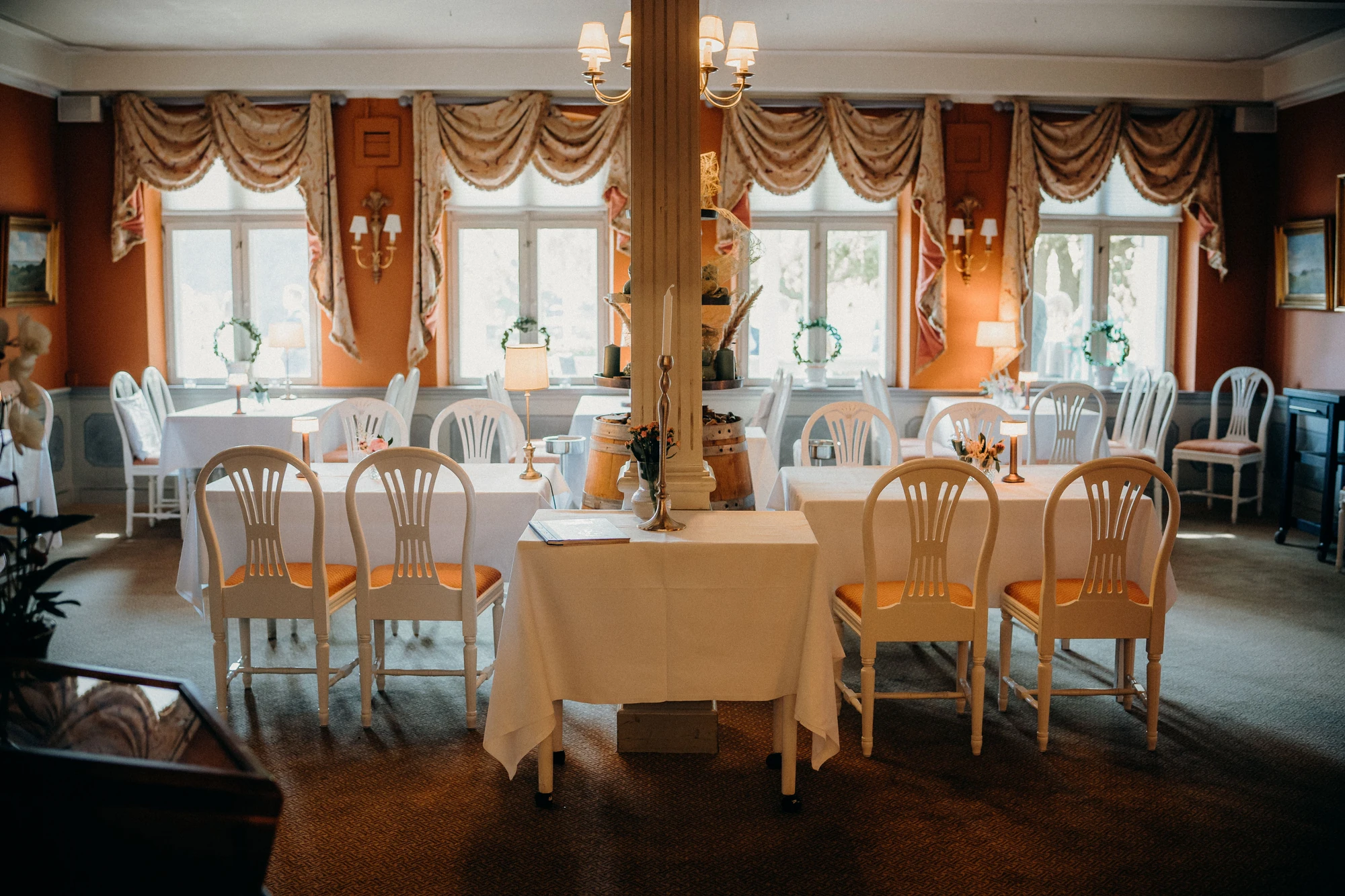
Illustrative stock photograph · Photo: Rene Terp / Pexels. People pictured are not the cases described and do not endorse the books. Photo licence.
Reading tools & contents
An invitation can contain more than one person’s yes
One partner enjoys a house full of people. The other enjoys those same people for two hours and then wants the evening back. Neither preference is a moral failure. The difficulty begins when the first preference is treated as the relationship's natural setting, while the second must repeatedly appear as an objection. A social plan then becomes an unequal process: one person creates the occasion, and the other must either absorb it or become the person who disappointed everyone.
The important question is not simply how often a couple sees friends. It is who can commit which parts of their shared life. An invitation may reserve the living room, require food, alter a child's evening, occupy the next morning with clearing up, and imply another adult's participation. Saying yes to an event can therefore include several decisions that its enthusiastic author never consciously made.
A couple needs a way to distinguish an individual's invitation from a household commitment. Without that distinction, apparent generosity towards friends can rely on quietly spending a partner's time, privacy and labour. Affection does not remove the need to establish whose agreement is missing.
Count participation before debating personality
Calling one person an extrovert and the other an introvert can provide a convenient explanation while leaving the practical dispute untouched. The labels do not tell us who shops, who entertains a visitor who arrives early, who gives up a quiet room, or who must remain pleasant after their own willingness has ended. A disagreement about identity can conceal a much more specific disagreement about participation.
Suppose a partner says that friends are merely dropping by. For the other person, dropping by means getting dressed again, changing dinner plans and abandoning a private conversation. Before deciding that one person dislikes people, identify what their presence is expected to provide. Sometimes a smaller role would make the occasion acceptable. Sometimes the occasion still occupies the whole home even if no conversation is required.
The same precision protects the more social partner. Wanting visitors need not mean wanting an unpaid co-host. They might willingly do all preparation and accept their partner's absence, if that possibility were offered without a verdict about closeness. A useful agreement describes activities and demands before it diagnoses character. Then each person can answer the actual proposal rather than defending their entire temperament.
Joint consent is not a requirement to become identical
A shared home gives each partner a legitimate interest in how it is used. It does not give either person ownership of the other's friendships. These principles can pull in different directions, which is why a universal rule that both must approve everything is too crude. Requiring approval for a partner to meet a friend elsewhere can convert coordination into permission seeking. Requiring notice before a dinner fills the shared kitchen addresses a different issue.
The relevant boundary follows the resource being committed. A personal coffee usually uses an individual's time. An overnight visit uses the home and can change the household's rhythm. Hosting a large gathering asks for still more coordination. A couple can acknowledge these differences without ranking their needs as generous or selfish.
There are also circumstances in which presence matters to a partner: a rare reunion, an important introduction, a difficult milestone. Such occasions deserve an honest request for support. They do not establish permanent attendance as proof of loyalty. Supporting a particular event has meaning partly because it is chosen. Once attendance becomes automatic, the couple may obtain a polished social appearance while losing the ability to know whether either person truly agreed.
Refusal becomes expensive when the audience is already assembled
The timing of an invitation changes the freedom available to answer it. Asking privately whether to host next month leaves room for alternatives. Announcing to friends that they should come over, then turning to a partner for confirmation, makes refusal a public act. The partner now has to interrupt a welcome, expose disagreement and risk appearing unkind. A yes given under those conditions may preserve the moment while creating resentment that arrives later.
This does not require an elaborate approval procedure for every spontaneous meeting. It requires recognising when spontaneity is being financed by someone else's reluctance to embarrass the group. A quick private check can preserve flexibility without converting it into unilateral authority. If a partner has not answered, the accurate message is that the plan is still a possibility.
A couple can also agree in advance on small commitments that either may make independently. That reduces administrative friction. The agreement should name its limits rather than relying on the phrase use your judgement after repeated disputes. Freedom works better when people can recognise the point at which an individual choice becomes a shared promise.
Hosting labour includes the performance of welcome
Preparation and clearing up are visible enough to divide. The performance of welcome is easier to overlook. Someone may be expected to remember a guest's difficulties, keep the conversation moving, notice an empty glass and soften an awkward remark. They cannot fully withdraw while simultaneously being responsible for the emotional atmosphere. Saying that no help is required does not remove this role if a disappointed look follows every retreat.
The more willing host may not be deliberately concealing this demand. They may simply experience hosting as enjoyable and therefore struggle to recognise it as work for someone else. A useful conversation makes the task explicit without denying that enjoyment. What would actually happen if the less social partner greeted everyone and then read in another room? Would the host explain that comfortably, or would withdrawal become the subject of a later accusation?
There is a difference between sharing occasional duties and maintaining a compulsory personality. A person can agree to help serve dinner without agreeing to be animated until midnight. Dividing physical tasks while preserving an unlimited expectation of charm leaves the central burden intact. The agreement needs to cover the social role as well as the dishes.
Separate friendship from couple display
Some gatherings matter because the friendship itself matters. Others become occasions on which a couple is expected to demonstrate that everything is well. A partner's absence then seems to threaten the relationship's public story. Instead of asking whether both want to attend, the couple asks what people will think if one stays home. The imagined audience gains a vote inside the household.
There are reasonable contexts in which attending together expresses support. It can be hurtful if one person consistently refuses to meet anyone important to the other. Yet this concern should be discussed directly. A pattern of disengagement deserves a conversation about interest and connection; it cannot be resolved by requiring attendance at every available occasion. Compulsory presence can make the problem less visible without making the relationship more involved.
A balanced social life permits some shared friendships, some individual friendships and some events attended separately. Their proportions need not be symmetrical. The test is whether either partner can name an independent preference without that preference automatically becoming evidence against the bond. Being a couple should make coordination possible, not erase the existence of two social lives.
An ending is part of the invitation
A gathering that begins at seven and ends whenever the last person decides to leave does not have a neutral duration. It delegates the household's remaining evening to its most persistent participant. If one partner values a defined ending, they must either police the room or wait for a limit nobody else has been told. Their discomfort then becomes visible only after they have already endured more than they intended.
A clearer invitation can include a finish time, a smaller format or a different venue. Such boundaries need not be hostile. They allow the host to offer an occasion that the household can actually sustain. A cheerful explanation before the event is easier to respect than a resentful request delivered after the limit has been exceeded.
Of course, meaningful conversations sometimes deserve flexibility. The question is whether flexibility remains an exception both can accept or becomes the permanent cancellation of one person's agreement. If an event regularly runs much longer than promised, the reliable information is its actual duration. A couple should plan around that evidence instead of treating the original estimate as if it continued to protect the person waiting for the evening to end.
Build a pattern that can include unequal appetites
Fairness does not require both partners to want the same number of visits. It requires arrangements that do not make one appetite permanently govern the other's environment. The more social partner may meet friends elsewhere more often. The quieter partner may accept a predictable amount of hosting. Some evenings can be protected for the couple, while others belong to separate activities. These are practical shapes for a relationship, not compensations for a defective personality.
An agreement should also permit variation. A demanding week, a visiting friend or an unusually important occasion may change what is reasonable. Flexibility becomes easier when it does not threaten to rewrite the baseline every time. People are less able to offer an exception freely if the exception will later be cited as proof that their ordinary limit was unnecessary.
The pattern should be reviewed through experience. Did the supposedly independent gathering still require a co-host? Did the quiet evening leave room for the other partner's friendships? Review is not an invitation to retry every settled preference. It is a chance to notice whether the arrangement distributes its actual costs as honestly as its promises.
HYPOTHETICAL CASE
The dinner that was already agreed
Mira enjoys bringing friends together and tells two couples to come for dinner on Saturday. Her partner, Adrian, hears the plan while everyone is discussing what to bring. He agrees, although he had expected a quiet evening after a demanding week. Later he says he does not want to host. Mira hears a rejection of her friends; Adrian feels that the decision was made before he could answer.
They separate the proposed gathering into its actual demands. Mira will shop and cook, but she realises she also expects Adrian to welcome people, remain at the table and help the evening feel relaxed. Adrian is willing to attend a shorter meal, but not an open-ended evening. They contact their friends together and explain that dinner will finish at ten. Mira takes responsibility for ending it rather than waiting for Adrian to become visibly impatient.
For future invitations, they agree that small individual visits can happen with notice, while dinners and overnight guests require a private conversation first. Mira continues seeing friends outside the home when Adrian stays in. Their preferences remain different. What changes is that an invitation no longer contains a hidden promise about another person's availability.
Questions for review
- Which parts of your social plans commit another person’s space, labour or performance of welcome?
- Can your partner decline privately before an invitation becomes a public expectation?
- Which friendships benefit from separate participation rather than compulsory couple attendance?
- What ending would make the next shared event something both people can willingly offer?
Protect the possibility of a wholehearted yes
A successful agreement is not measured only by how rarely the couple argues about guests. Silence can reflect a workable routine, but it can also reflect the exhaustion of the partner who always loses the negotiation. Look instead at whether both people can propose, decline and occasionally change a plan without paying for that freedom through ridicule, accusation or prolonged tension.
The aim is to create occasions people can enter with a reasonable degree of willingness. Not every visit will suit both partners equally. Relationships involve accommodation, and refusing every inconvenience would make shared life very narrow. But accommodation becomes more trustworthy when the person offering it can also withhold it in appropriate circumstances. Otherwise its apparent generosity may simply describe the absence of an acceptable alternative.
A couple might ask three concrete questions before committing a shared evening: what are we offering, whose participation does that require, and when does the commitment end? Those questions cannot eliminate different appetites. They can stop difference from becoming a contest over who is more loving. The value of a social life lies partly in the welcome it makes possible; that welcome should not require one member of the household to disappear inside it.
Follow the question further
Explore the next part in Can Your Relationship Make Room for Good News?. From the existing journal, Hospitality Without Turning the Guest Into a Debtor develops a connected perspective.
Browse the full subject: Love, Relationships & Personal Authority.