THE CODEX JOURNAL
When the Shelves Are Full and the Business Needs Cash
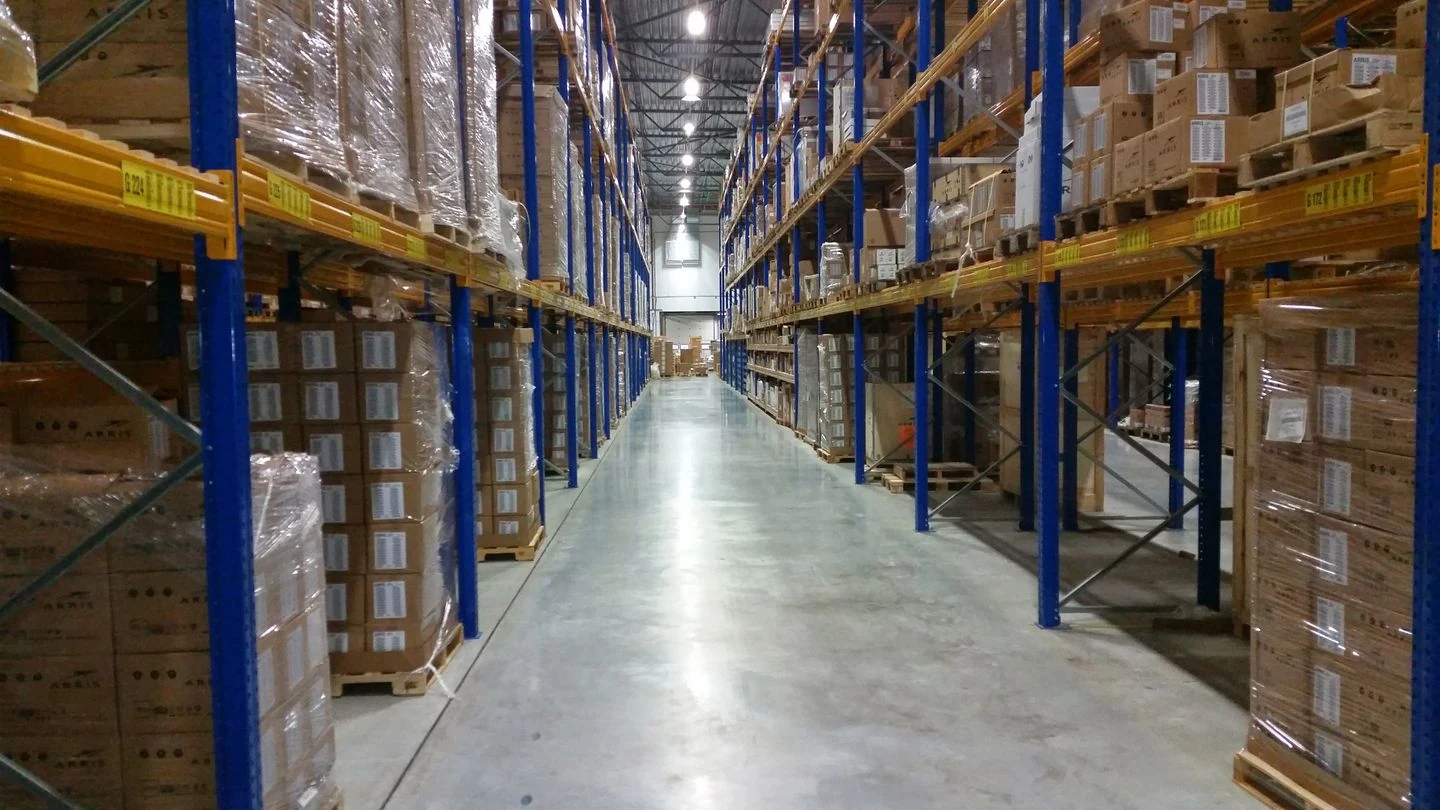
Illustrative photograph: Handi Boyz LLC / Pexels · Licence
Reading tools & contents
The balance and the shelves tell different parts of the story
Ravi has shelves full of ceramic tableware and a workshop with enough work to keep two people occupied for weeks. When a fastening tool fails, he finds that replacing it would require delaying another expected payment. The apparent abundance of the room makes the problem feel strange. Much of what the business has spent has turned into goods that are waiting for orders, delivery, or an eventual change in plan. The tool needs to be paid for this week.
Inventory can be useful precisely because it commits resources before the customer arrives. That same commitment deserves attention when deciding which other demands the business can handle. The questions become clearer when they concern an actual group of items. When did you pay to acquire them? What work remains before someone can purchase or receive them? When would the business have usable cash again? Every unanswered step describes a condition between possession and the next decision you can fund.
Give each group of stock a purpose you can recognise
A full stockroom can accommodate very different intentions. Some goods are held because customers need prompt delivery. Others support a limited project for a known audience. Another group exists because the supplier offered a favourable price for a larger order. The reason matters because it determines what information should guide the next decision. Prompt delivery can be assessed against actual requests. A trial product needs a purpose and a time to review what happened.
Ravi looks at one shelf and realises that he has described the same stock as a seasonal selection, a reserve for a future wholesale customer, and proof that the business is growing. Those explanations lead him to different actions. He could put the items before customers, discuss a specific order, or use the stockroom for something that would support the current business. Giving the goods a clear purpose lets him recognise when a change would help and when the original reason still holds.
Trace the work the next sale would require
Estimate what a plausible sale would actually ask the business to do. Some items are ready to be delivered. Others need finishing, assembly, packaging, or an explanation that the provider has never prepared. A large order can require more work than the shop currently has room to complete. For Ravi, the ceramics exist, but part of the collection still needs photographing and a safe way to reach customers. Those steps belong in his understanding of how soon the stock could support a different expense.
This is also where the business can notice a mismatch between the goods it has and the demand it can credibly serve. Which buyer has reason to want this stock, and what will make the purchase possible for them? A real discussion with a buyer can change the view of the remaining work. A price label alone tells very little about the timing, attention, and practical arrangements the business still has to supply.
Ask what a new order would commit first
Suppliers often present an order as an opportunity to obtain something on attractive terms. A buyer can examine those terms alongside the sequence that follows. How much money is already committed to goods waiting for a similar purpose? Would the new shipment use space or finishing time needed for current orders? Which other obligation would become harder to support during the period before sales can occur?
These questions apply even when the order is sensible. Keeping useful stock available may be part of what customers rely on. Ravi distinguishes a group of dishes with regular requests from a decorative range that requires more explanation before people order it. He can consider adding to one shelf and leaving room to learn about the other. The decision becomes more specific than an argument about whether inventory is generally good or whether the business should always keep cash available.
Consider how a change would affect the people doing the work
A plan to move stock more quickly may sound straightforward to the person looking at the balance. Somebody may have to reorganise displays, speak with customers, prepare descriptions, or handle a different set of orders. If those responsibilities are left out, the plan can solve an apparent cash problem by creating a period the team has no credible way to manage. A review should identify what people would need to do and when that work could occur.
A change also shapes what customers understand the business to offer. For example, presenting a particular collection to a new audience can be a coherent experiment if the team agrees what it hopes to learn. Continuing to promote a group of goods indefinitely can occupy attention needed for products customers already request. Before changing a display or offer, agree on the purpose of the effort and the evidence that will justify continuing it.
Use review dates to recognise when conditions have changed
Without a point for review, the question of what to do with stock can return whenever the business feels short of money. The same goods appear reassuring on a good day and burdensome on a difficult one. Pick a moment when useful information is likely to be available, such as after a defined offer has been made to relevant customers or a planned period of orders has finished.
At that point, compare what happened with the purpose you assigned to the stock. Were people able to order the products for the intended use? Did delivery need work the business had overlooked? Which competing commitments were harder to manage while the goods remained in place? The review gives a decision about stock a beginning and an end. It lets the next order reflect what the business learned through an ordinary exchange.
A designated review also gives the team a chance to record what changed in between. An unsolicited request for the product may answer a question that a new display was supposed to test.
Read one shelf as a set of choices already made
Choose a group of goods and trace the decisions that brought it there. Identify the money already committed, the purpose the goods are serving, and the conditions needed before resources become available again. Which other purpose would be difficult to fund in the meantime? Which part of the present arrangement have you been assuming will work without checking?
Ravi finishes the exercise knowing which stock supports a service his customers actually rely on and which needs further work before it can contribute. He can discuss that work with the people who will do it. The full shelves remain part of the business he built. He has a clearer account of when they can help him make the next purchase, meet a promise, or take an opportunity that requires cash today.