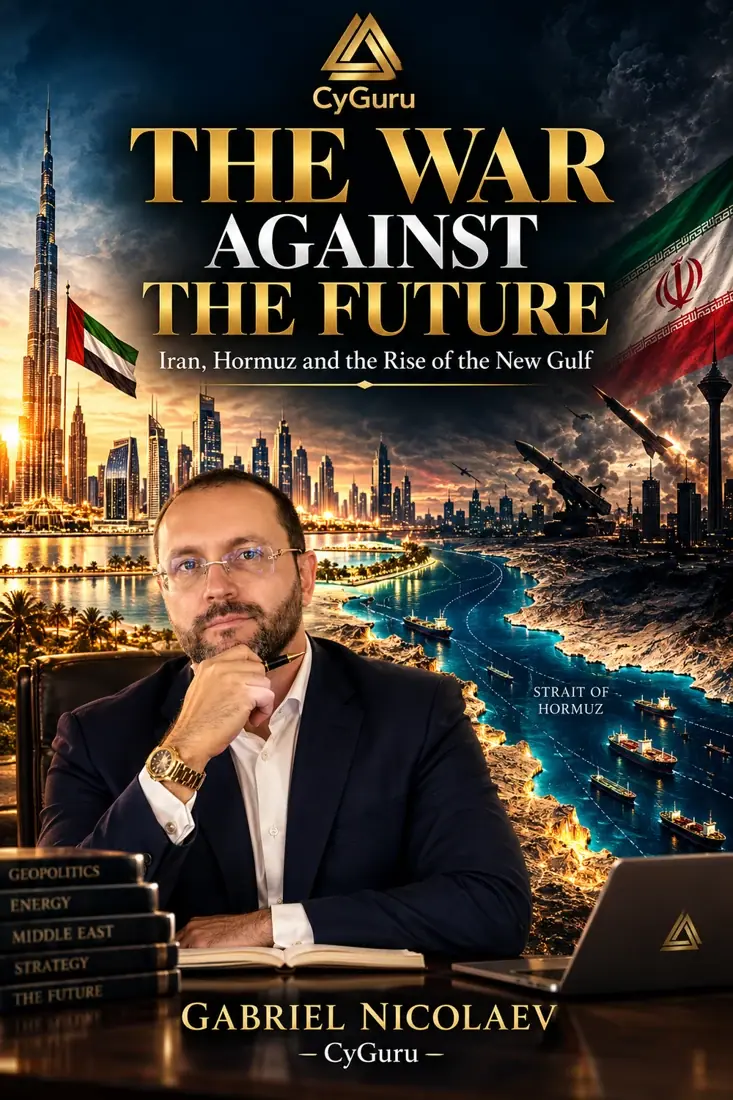
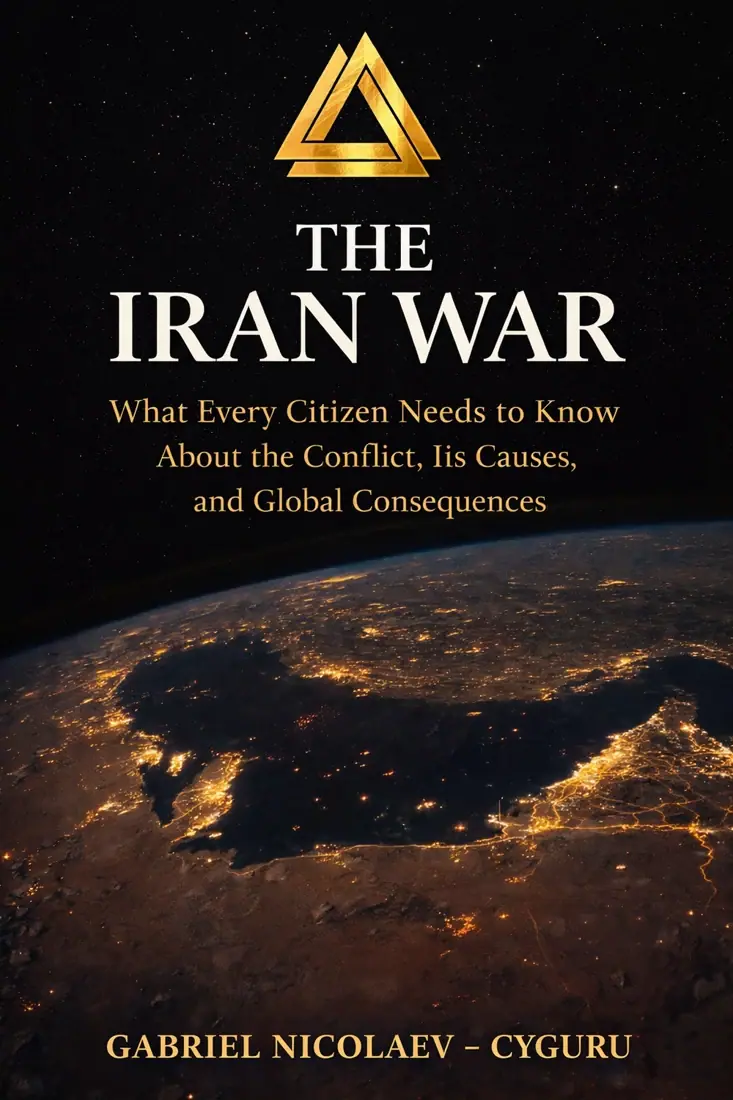
 GABRIEL NICOLAEV — CYGURU
The Human Codes
The Iran War: What Every Citizen Needs to Know
In this strategic analysis, Gabriel Nicolaev examines the Iran–Israel escalation through the lens of energy security, economic warfare, global power competition, and systemic instability. This book goes beyond headlines and military updates. It decodes how modern conflict reshapes oil markets, global finance, cyberwarfare, alliances, and public perception.
Who this book is for
Readers seeking the author’s structured account of how regional conflict can connect with wider economic and strategic questions.
What you will explore
- Energy routes, sanctions and financial interdependence
- Alliances, cyberwarfare and regional spillover in the book’s analysis
- Contrasting scenarios and their assumptions
Why begin here
Choose this book for a systems-oriented reading of conflict and its possible consequences, rather than a continuously updated news service.
A question to take into the book
Which assumptions would have to hold for each scenario in this analysis to become plausible?
Reading tools & contents
A Strategic Analysis of the Conflict, Its Causes, and Global Consequences
The Iran War is not just a regional confrontation. It is a geopolitical turning point that exposes the fragility of modern global systems.
In this strategic analysis, Gabriel Nicolaev examines the Iran–Israel escalation through the lens of energy security, economic warfare, global power competition, and systemic instability. This book goes beyond headlines and military updates. It decodes how modern conflict reshapes oil markets, global finance, cyberwarfare, alliances, and public perception.
If you want to understand:
- The real causes behind the Iran conflict
- How Israel, the United States, and regional actors calculate escalation
- The role of energy markets and the Strait of Hormuz
- How sanctions function as economic weapons
- Why global financial stability is at risk
- How Russia and China position themselves strategically
- Whether this could expand into a wider Middle East war
- What it means for inflation, markets, and ordinary citizens
This book provides a structured geopolitical framework for understanding modern war in a systemic world. Unlike news commentary or emotional analysis, The Iran War explains:
Energy shockwaves and oil price volatility Sanctions and financial fragmentation Cyberwarfare and digital conflict Alliance management and NATO calculations Regional spillover risks across Lebanon, Syria, Iraq, and Yemen Future scenarios — contained conflict, regional expansion, global realignment, prolonged standoff
This is not speculation. It is strategic analysis. In a world where information spreads faster than clarity, understanding structure is power.
If you are a reader interested in geopolitics, international security, military strategy, global economics, or the future of world order, this book delivers disciplined insight without ideological bias.
The world is interconnected. Conflict anywhere affects stability everywhere. Understand the system before the system shifts again.
EXPLORE BEFORE YOU CHOOSE
Ideas beyond the cover.
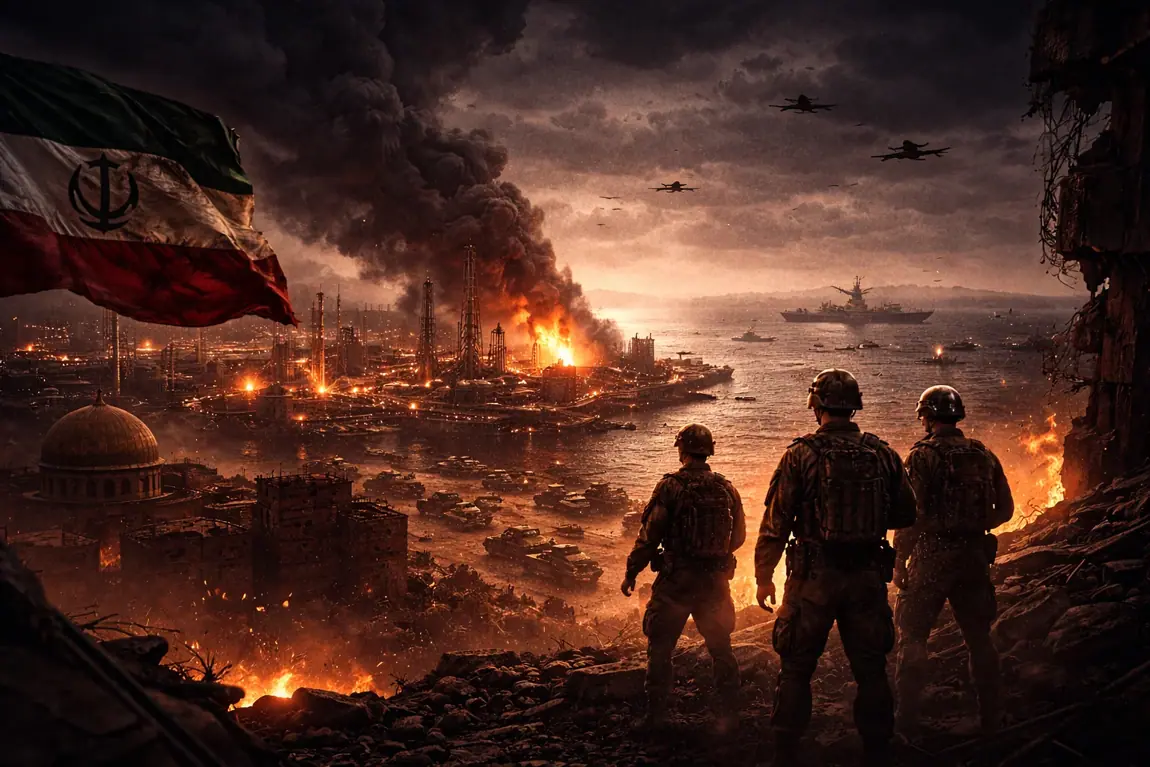
Iran War Analysis: Causes, Consequences, and Geopolitical Reality
Read this essay alongside The Iran War: What Every Citizen Needs to Know to explore a companion perspective.
Read the essay ↗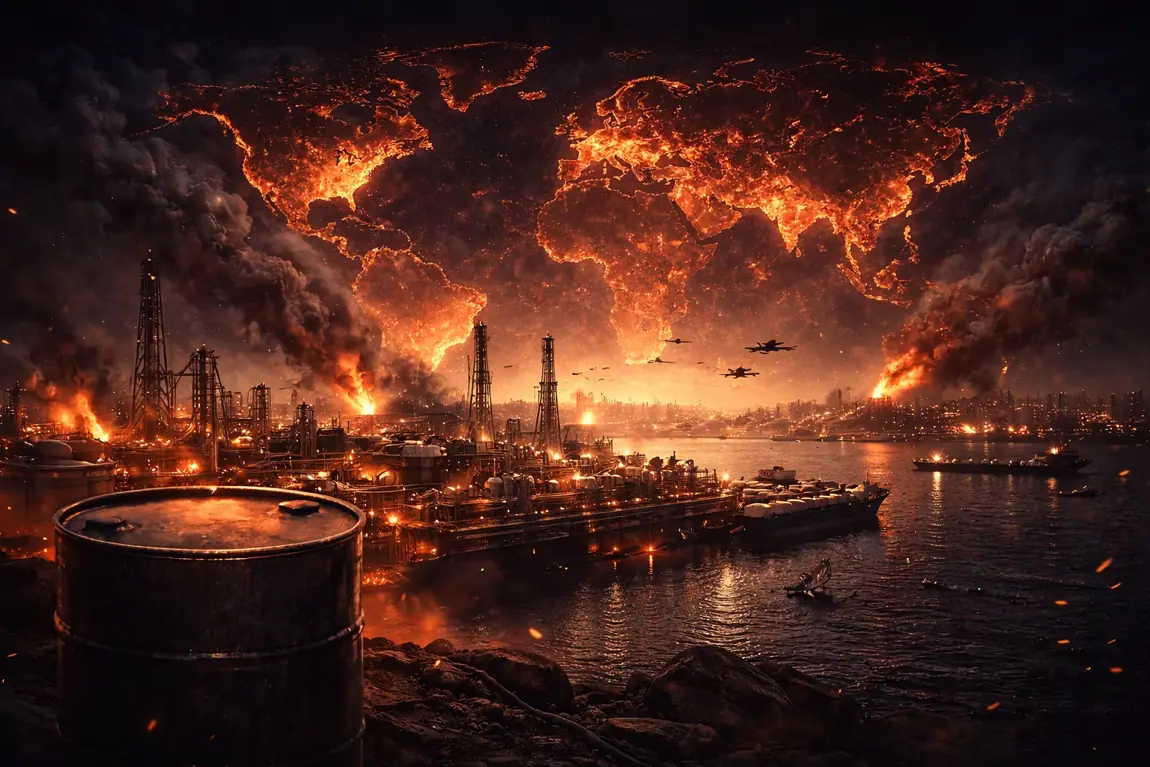
Oil, Conflict & the New World Order: The Economics of War Explained
Read this essay alongside The Iran War: What Every Citizen Needs to Know to explore a companion perspective.
Read the essay ↗CONTINUE YOUR DISCOVERY